
Understanding Your Thyroid: Why This Small Gland Has a Big Impact on Your Health
The thyroid is a small, butterfly-shaped gland located at the front of your neck - but its influence on your health is anything but small. At Naturopathic Medicine of Idaho, we frequently see patients whose fatigue, weight changes, mood shifts, or hormone imbalances trace back to subtle thyroid dysfunction.
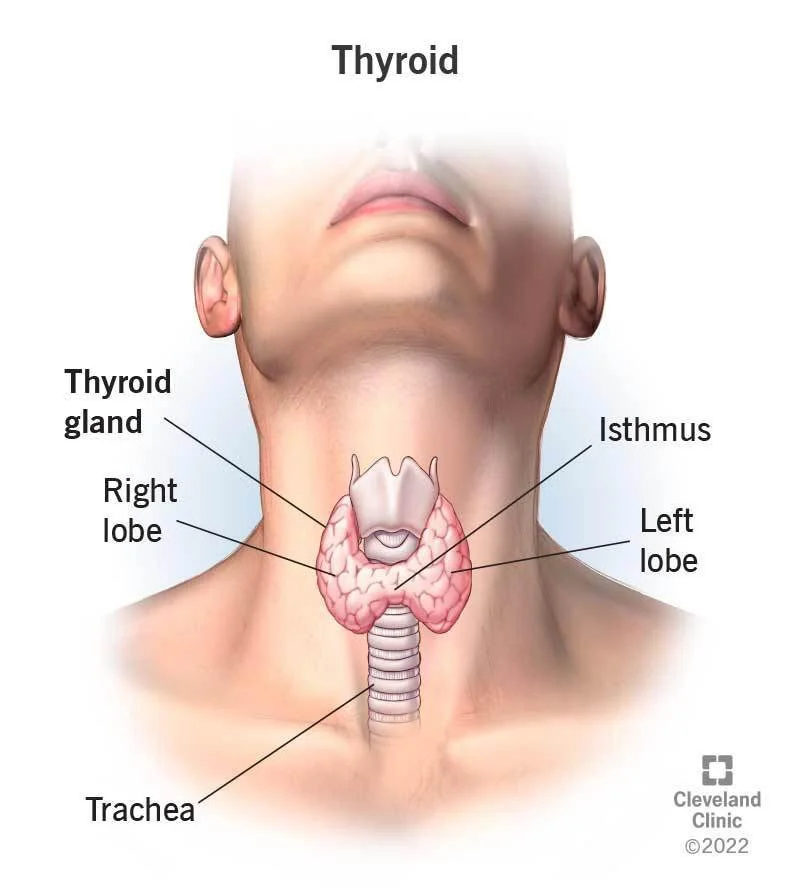
Understanding what the thyroid does and why it matters can help you recognize when something may be off - and what steps to take next.
What Does the Thyroid Do?
The thyroid is part of your endocrine (hormone) system. Its primary job is to produce thyroid hormones:
T4 (thyroxine)
T3 (triiodothyronine)
These hormones regulate your metabolism - essentially how your body converts food into energy. But metabolism is only part of the story.
Thyroid hormones also influence:
Body temperature
Heart rate
Brain function and focus
Mood
Menstrual cycles and fertility
Cholesterol levels
Digestive function
Skin and hair health
Because thyroid hormones affect nearly every cell in the body, even mild imbalances can create widespread symptoms.
Why the Thyroid Is So Important
Think of your thyroid as your body’s metabolic thermostat. When it functions properly, systems stay balanced. When it slows down or speeds up, everything downstream is affected.
In naturopathic medicine, we often look at the thyroid as part of a broader network that includes:
The adrenal glands (stress response)
The gut (nutrient absorption and immune balance)
The liver (hormone conversion)
The immune system
Supporting thyroid health often means looking beyond just the gland itself.
Common Thyroid Conditions
-
This occurs when the thyroid does not produce enough hormones.
Common symptoms:
Fatigue
Weight gain or difficulty losing weight
Constipation
Cold intolerance
Dry skin and hair thinning
Brain fog
Depression
Irregular or heavy periods
The most common cause is an autoimmune condition called Hashimoto's thyroiditis, where the immune system attacks the thyroid tissue.
-
This occurs when the thyroid produces too much hormone.
Common symptoms:
Anxiety or irritability
Rapid heart rate
Heat intolerance
Weight loss despite normal appetite
Insomnia
Tremors
Lighter or absent periods
A common autoimmune cause is Graves' disease.
-
Some patients have “normal” lab values but still experience symptoms. In naturopathic care, we often look deeper at:
Optimal vs. conventional lab ranges
Free T3 and Free T4 levels
Thyroid antibodies
Nutrient status (iodine, selenium, iron, zinc)
Symptoms matter. Labs are tools - not the whole story.
Why Thyroid Issues Are Increasing
Several modern factors contribute to thyroid dysfunction:
Chronic stress
Environmental toxin exposure
Nutrient deficiencies
Gut imbalance
Autoimmune triggers
Blood sugar instability
Because thyroid health is interconnected with other systems, simply replacing thyroid hormone may not fully address the root cause - especially in autoimmune cases.
A Naturopathic Approach to Thyroid Health
Comprehensive Evaluation
Full thyroid panels
Antibody testing
Iron and nutrient status
Gut health assessment
Stress and cortisol evaluation
Root Cause Support
Anti-inflammatory nutrition
Targeted supplementation
Gut healing protocols
Stress regulation strategies
Detoxification support when appropriate
When to Consider Thyroid Testing
You may want to discuss thyroid testing if you experience:
Persistent fatigue
Unexplained weight changes
Hair thinning
Mood changes
Fertility challenges
Irregular menstrual cycles
A family history of thyroid or autoimmune disease
Early evaluation can prevent years of frustrating, unexplained symptoms.
The Bottom Line
Your thyroid plays a central role in energy, mood, metabolism, and hormonal balance. Because its influence is so widespread, symptoms can be subtle and easily dismissed.
If you suspect a thyroid issue - or if you have been told your labs are “normal” but you still don’t feel like yourself a more comprehensive, root-cause approach may be helpful.
At Naturopathic Medicine of Idaho, we aim to look beyond surface symptoms and support the body’s natural ability to restore balance.